
Comparison
How to Choose a Pool Safety Fence in Massachusetts
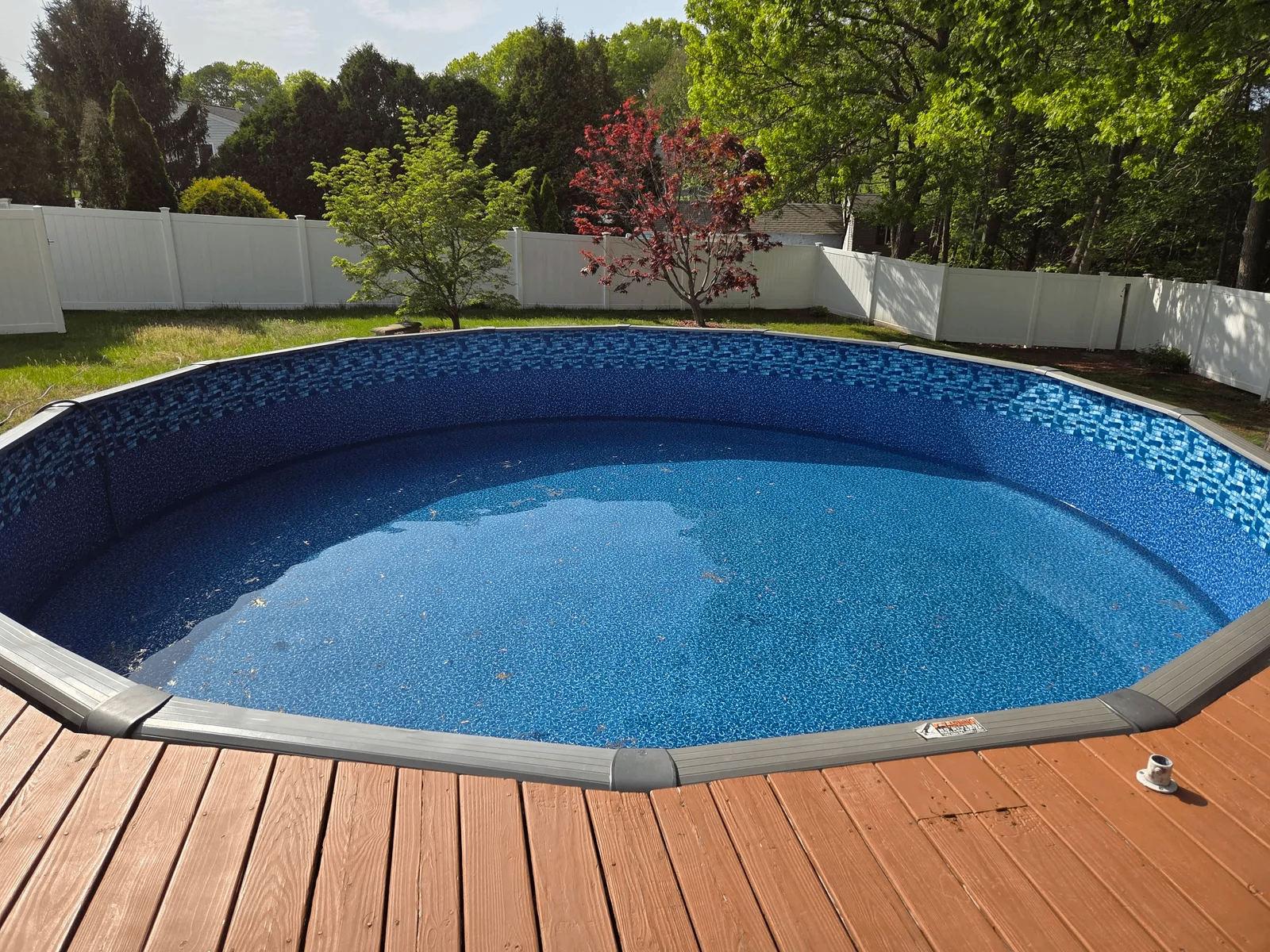
Choosing a pool safety fence in Massachusetts means answering two questions at once: what keeps a child out of the water, and what does your building department require. Get the safety part right and the code part usually follows, because the rules exist for exactly that reason.
What the barrier rules generally require
Massachusetts residential pool barriers are governed by the state building code, which your local building department enforces and interprets for your lot. The state publishes the code and amendments at mass.gov.
The common requirements you will hear about are a barrier at least 48 inches high, no gaps a small child can squeeze through, nothing on the outside that works as a ladder, and gates that swing away from the pool and self-close and self-latch.
Confirm every dimension with your building inspector before you order material. Towns differ on details, and an inspector's answer beats anything you read online, including this page.
The Consumer Product Safety Commission's Pool Safely program is a good plain-language read on layers of protection beyond the fence itself.
The four common fence materials compared
Most pool fences in southeastern Massachusetts are vinyl, aluminum, wood, or chain link. Each one wins at something different.
| Material | Privacy | Maintenance | Coastal durability | Relative cost |
|---|---|---|---|---|
| Vinyl | High with solid panels | Wash occasionally | Very good, will not rust | Moderate to high |
| Aluminum | Low, open pickets | Almost none | Very good with a quality finish | Moderate to high |
| Wood | High | Regular sealing or staining | Fair, needs upkeep near salt air | Low to moderate |
| Chain link | None | Low | Good if properly coated | Lowest |
How to pick between them
Want the pool hidden from the street and the neighbors? Solid vinyl or wood. Want to keep a view of the water, the woods, or the yard? Aluminum. Working with the tightest budget and privacy is not a concern? Chain link.
Gates are where most fences fail
A perfect fence with a lazy gate is not a barrier. Gates are the part that gets used every day, and the part that gets propped open, sags, and stops latching.
- Self-closing hinges that actually pull the gate shut from a few inches open
- A self-latching mechanism mounted high, on the pool side, out of a child's reach
- A gate that swings away from the pool
- Solid posts set deep, because a sagging gate will not latch no matter how good the hardware is
- A quick monthly test: open it, let go, and confirm it closes and latches by itself
Do that monthly test on the first of every month. It takes ten seconds and it is the highest-value safety habit a pool owner has.
Where the deck fits into the barrier
With an above-ground pool, the pool wall itself can be part of the barrier, but the moment you attach a deck or stairs, the picture changes. Anything that gives a child a route up has to be controlled.
That usually means guardrails around the deck plus a self-closing, self-latching gate at the top of the stairs, or removable or lockable steps. Your inspector will tell you which approach they accept.
Plan the fence and the deck together, not one after the other. Our guide to above-ground pool deck costs shows how gates and railings affect the budget, and our comparison of a pool with a deck versus no deck helps you decide the layout first.
Practical siting details people miss
Where the fence goes matters as much as what it is made of. A few decisions at layout time save real headaches later.
- Keep the pump, heater, and equipment inside the fence so nobody has to prop a gate to service them.
- Leave a gate wide enough for a wheelbarrow, a mower, and eventually a delivery of decking or pavers.
- Check setbacks and any easements with your town before you set a single post.
- Keep planters, coolers, and storage boxes away from the outside of the fence so they never become a step.
- Plan lighting at the gate so the latch is visible at night.
That last one pairs with our electrical, backyard lighting, and pool bonding work, and metal fencing near a pool may need bonding as well, which your electrical inspector will confirm.
Getting it installed
We sell, install, and service fencing, so the same crew that measures your yard is the one setting the posts. See the options on our fence sales, service, and installation page.
We install across all nine counties we serve, and you can start with our Bristol County service area page if you are close to home base. Call (508) 558-5199 and we will walk the property line with you.
Frequently asked questions
How tall does a pool fence have to be in Massachusetts?
The commonly enforced minimum for a residential pool barrier is 48 inches, measured from the outside grade. Your local building department has the final word for your property, so confirm before ordering material.
Does an above-ground pool need a fence if the walls are tall?
Sometimes the pool wall can serve as part of the barrier, but the ladder or steps have to be removable, lockable, or gated. Add a deck and the requirements change. Ask your inspector how they handle your specific setup.
Is vinyl or aluminum better for a pool fence?
Vinyl gives you privacy and a solid look. Aluminum gives you visibility, which lets you watch the pool from the house, and it needs almost no maintenance. Both hold up well in coastal Massachusetts air.
Can I use my existing yard fence as the pool barrier?
If it meets the height, gap, climbability, and gate rules, often yes. Older fences commonly fail on gate hardware or on gaps at the bottom where the ground has settled. A short inspection tells you what needs upgrading.
Do you repair existing fences or only install new ones?
Both. Gate resets, post replacement, panel repairs, and full replacements are all regular work for us. Call (508) 558-5199 and describe what is failing and we will tell you which one you need.
Looking for outdoor living contracting in East Taunton or anywhere across Massachusetts? Learn more about our outdoor living contracting service or get in touch directly.
Ready to build your backyard?
Tell us about your pool, deck, or patio project.